Adapting to change
Reinforcement learning, exploration, and generalization. How can agents acquire useful behavior and stay reliable when their observations or environments change?
Robust Policy Optimization →Research
I develop reinforcement learning and foundation-model methods for systems that act reliably when conditions change and recognize when to hand control back to a person, with surgical and medical robotics as the driving application.
My work is organized around one question: when should an autonomous system act, and when should it hand control to a person? The same questions apply to robot learning and decision systems beyond surgery, wherever errors are costly.
Research program
The next stage of this work brings the three parts below together in surgical tasks: deciding how work is divided between a robot and the surgical team, supporting clinical decisions with evidence a clinician can check, learning policies that stay reliable when a procedure departs from plan, and evaluating systems against the disruptions and failures that occur during real procedures.
Research
Reinforcement learning, exploration, and generalization. How can agents acquire useful behavior and stay reliable when their observations or environments change?
Robust Policy Optimization →Language and multimodal representations for decision making. How can foundation models connect visual evidence and domain knowledge to decisions a clinician can check?
AI for burn diagnosis →Robot skills, semi-autonomy, and human–robot collaboration. How should work be divided between a robot and a person, and when should control pass between them?
Surgical teleoperation →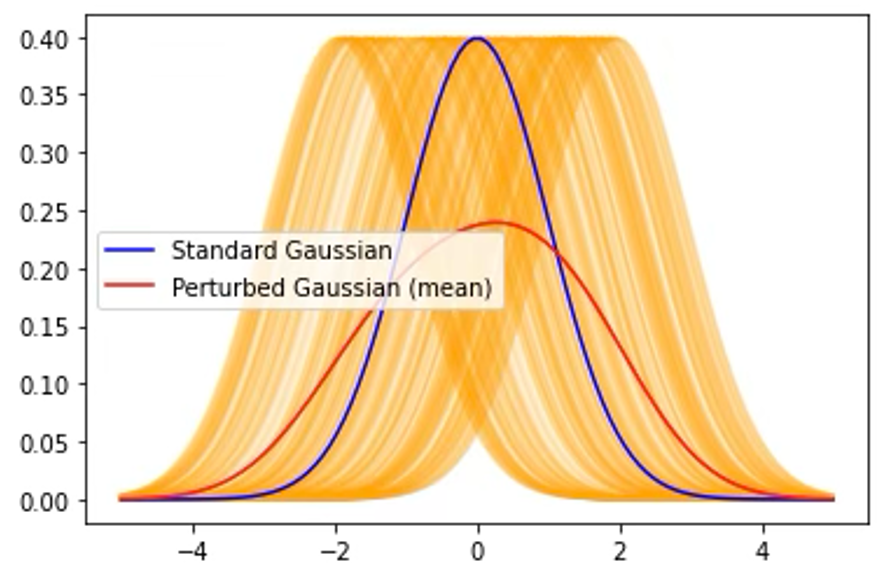
Adapting to change · ARLET @ NeurIPS 2025 workshop
My work on action-parameter perturbation studies policy optimization for reinforcement learning.
RPO is integrated into CleanRL and skrl. It is also used in Physical Intelligence’s released implementation of real-time action chunking.
Robust Policy Gradient Optimization through Action Parameter Perturbation in Reinforcement Learning
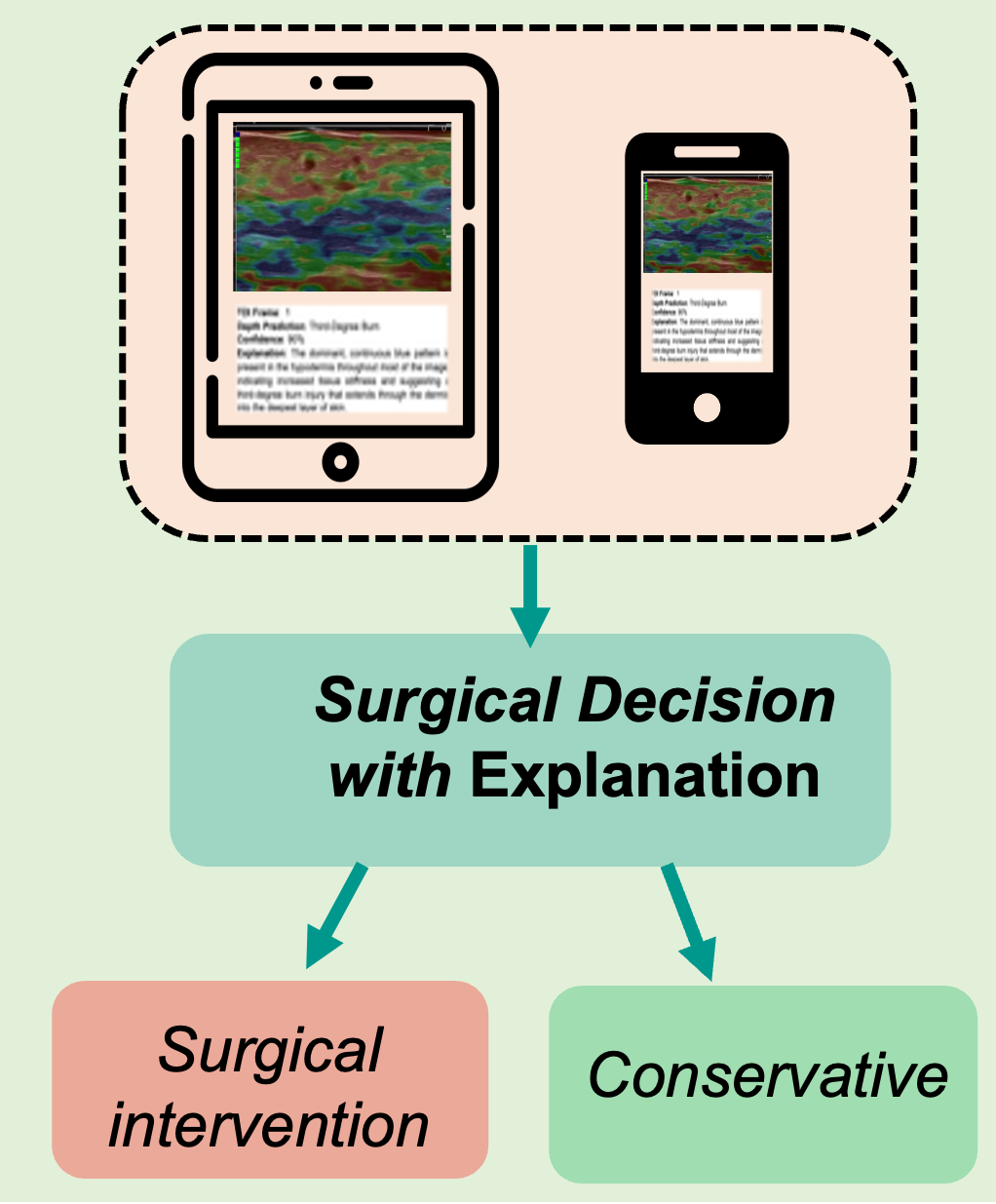
Reasoning from evidence · IAAI 2026, oral presentation
My work on multimodal burn assessment investigates how vision-language models can combine visual evidence and domain knowledge to support diagnostic reasoning.
Related work received the MIUA 2025 Best Paper Award, and AMBUSH-AI, a non-invasive burn diagnostic system, appears in Annals of Surgery.
Automated Unified Reasoning with Vision-Language Models for Multi-modal Burn Assessment
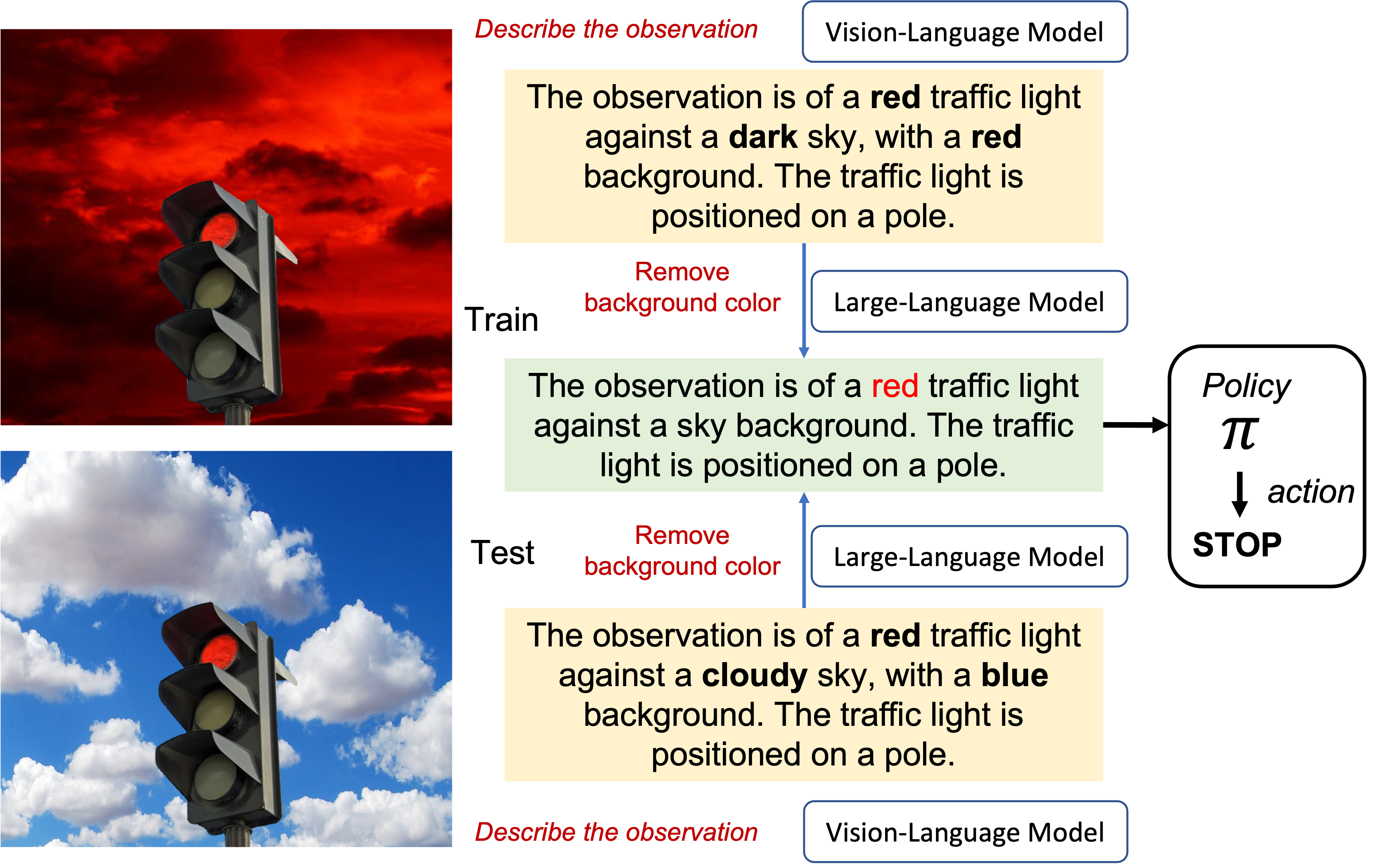
Reasoning from evidence · Findings of NAACL 2024
I investigate natural-language-based state representations in deep reinforcement learning, connecting semantic descriptions with sequential decision making.
Natural Language-based State Representation in Deep Reinforcement Learning
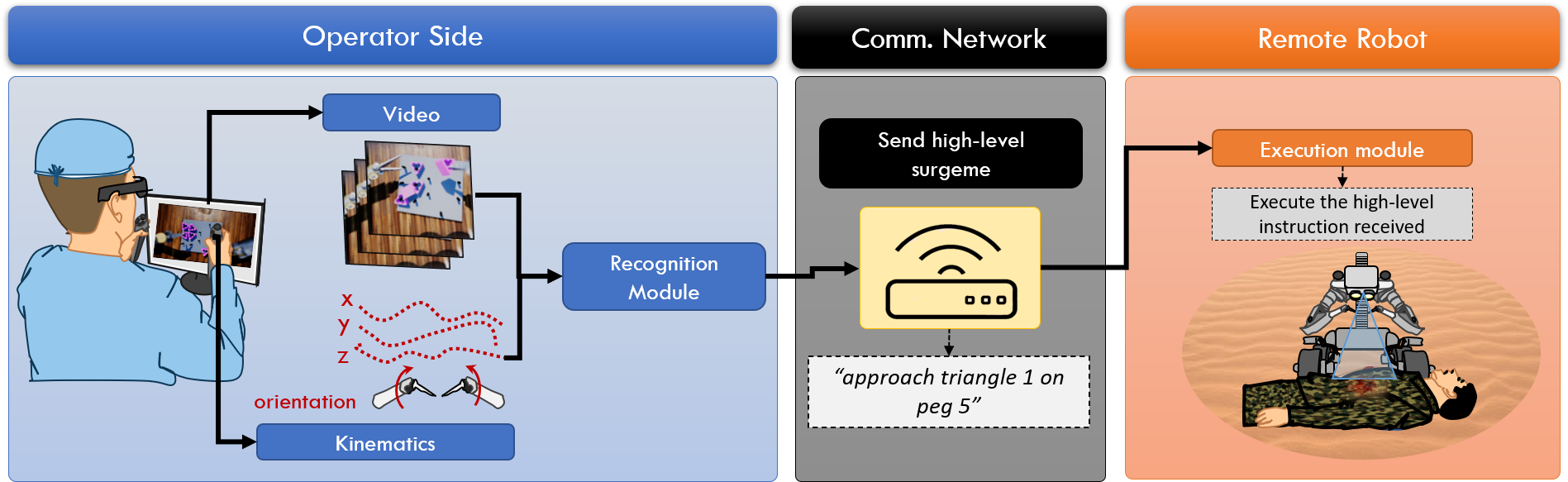
Sharing control · CMBBE: Imaging & Visualization 2021
My collaborative robotics work investigates surgical teleoperation and skill transfer, motivating systems that combine learned capabilities with human guidance.
SARTRES: A semi-autonomous robot teleoperation environment for surgery